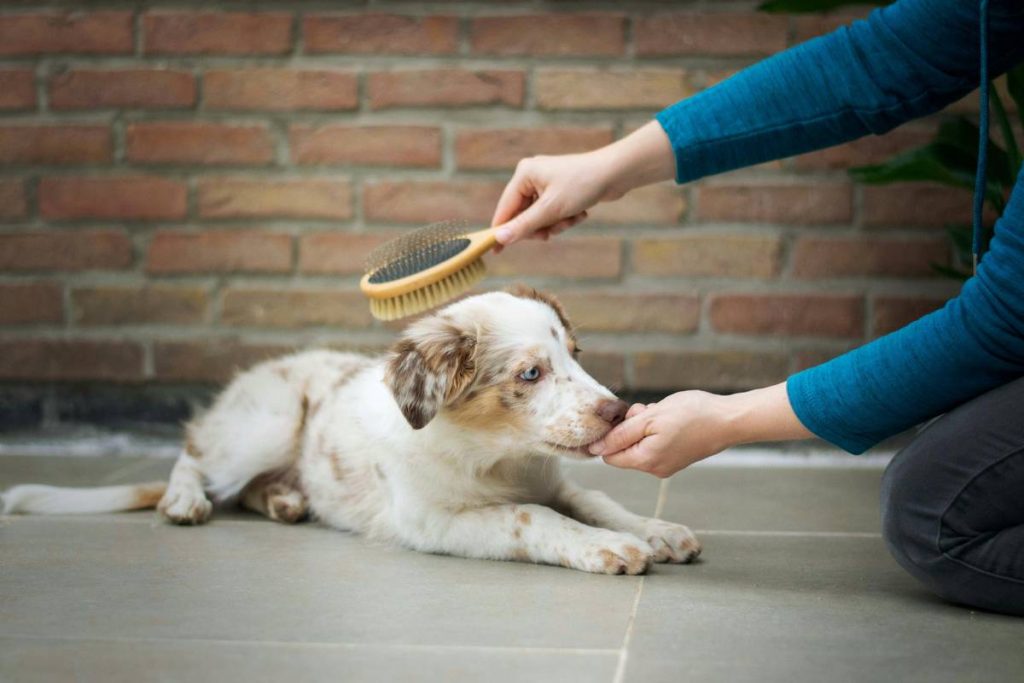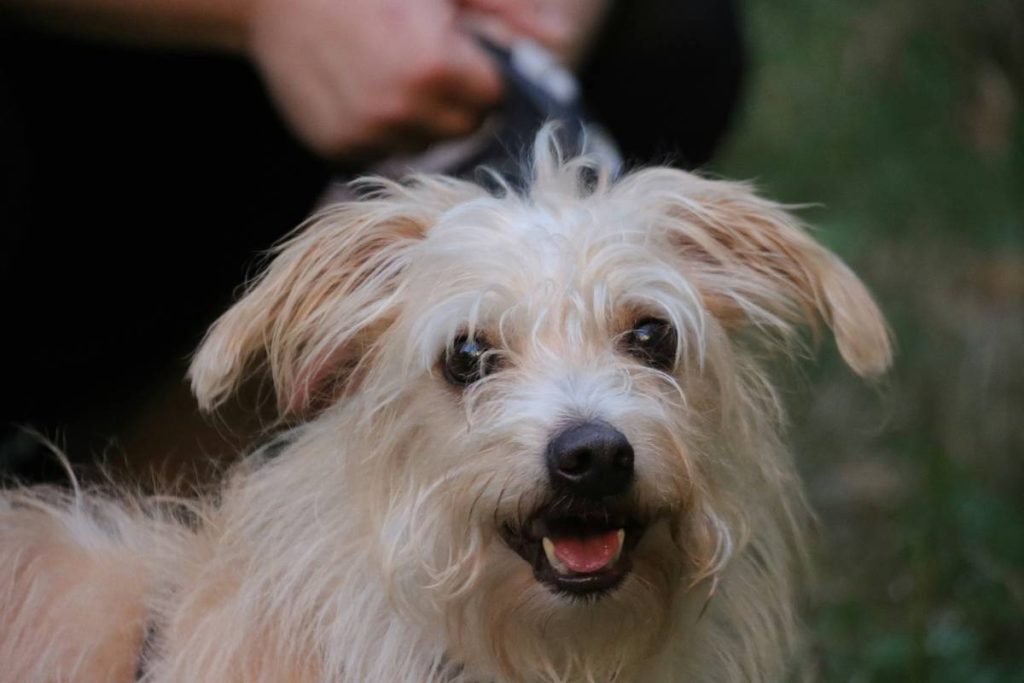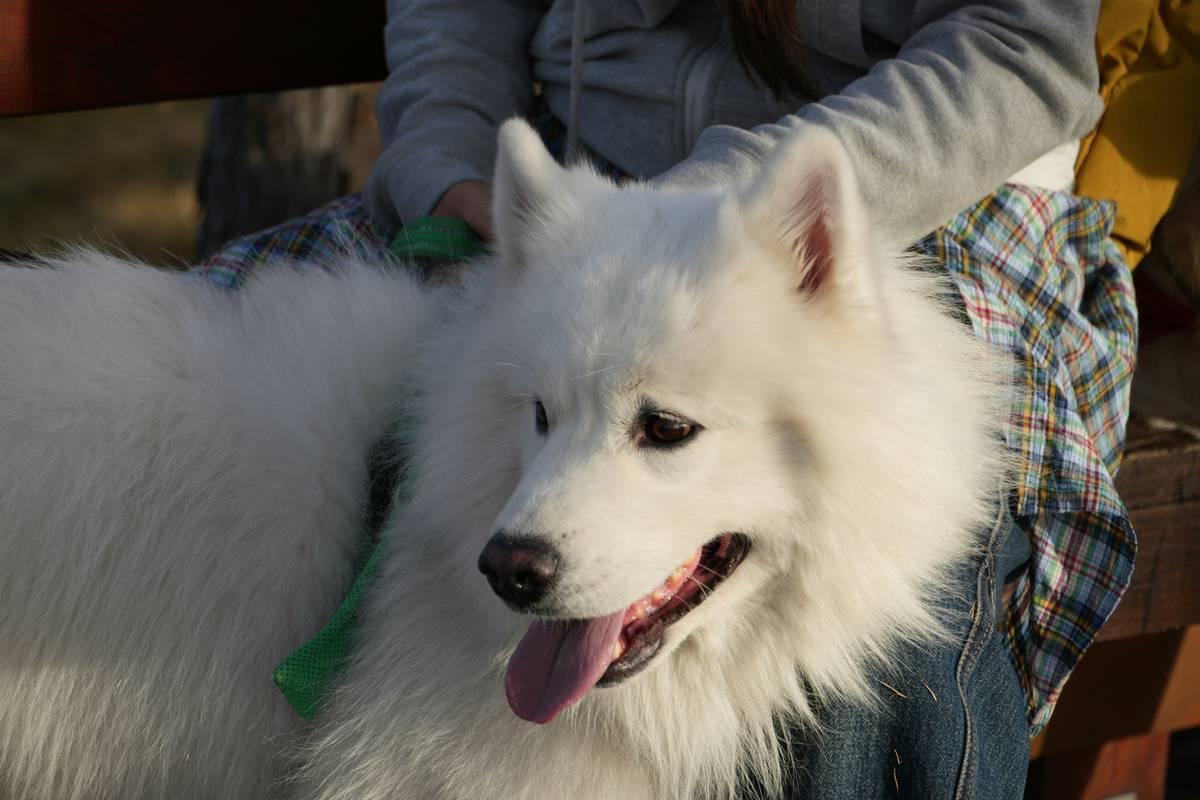
You’ve tried the slicker brush. You’ve wrestled with scissors. Still, your dog flinches at the mere sight of grooming tools. That knot behind the ears? It’s growing tighter—not looser. Here’s the hard truth: most pet parents are using the wrong brush for detangling, and they’re doing more harm than good. But it doesn’t have to be this way. With the right bristle brush technique—backed by real pro groomer advice—you can turn dreaded brushing sessions into calm, coat-loving rituals.
Why Your Current Detangling Routine Is Failing
Generic “detangling sprays” and stiff metal combs might promise miracles—but they often shred delicate undercoats or inflame sensitive skin. And let’s be honest: if your dog associates grooming with pain, no amount of treats will fix trust once it’s broken.
Most brushes on big-box store shelves aren’t designed for layered coats. They either glide over tangles without addressing them—or rip through like a lawnmower through dandelions. The result? Broken hairs, micro-tears in the skin, and a pet who hides when you reach for the grooming kit.
Step-by-Step Guide to Pain-Free Detangling Using Bristle Brushes
Forget one-size-fits-all. Effective detangling starts with choosing the right bristle density—and working with your dog’s natural coat structure, not against it.
Selecting the Right Bristle Brush for Your Dog’s Coat Type
Short-haired pups? Go with densely packed natural boar bristles—they redistribute oils while smoothing flyaways. Long or double-coated breeds (think Shelties or Huskies)? Use a mixed-bristle brush: firm nylon pins underneath soft natural bristles to penetrate without scratching.
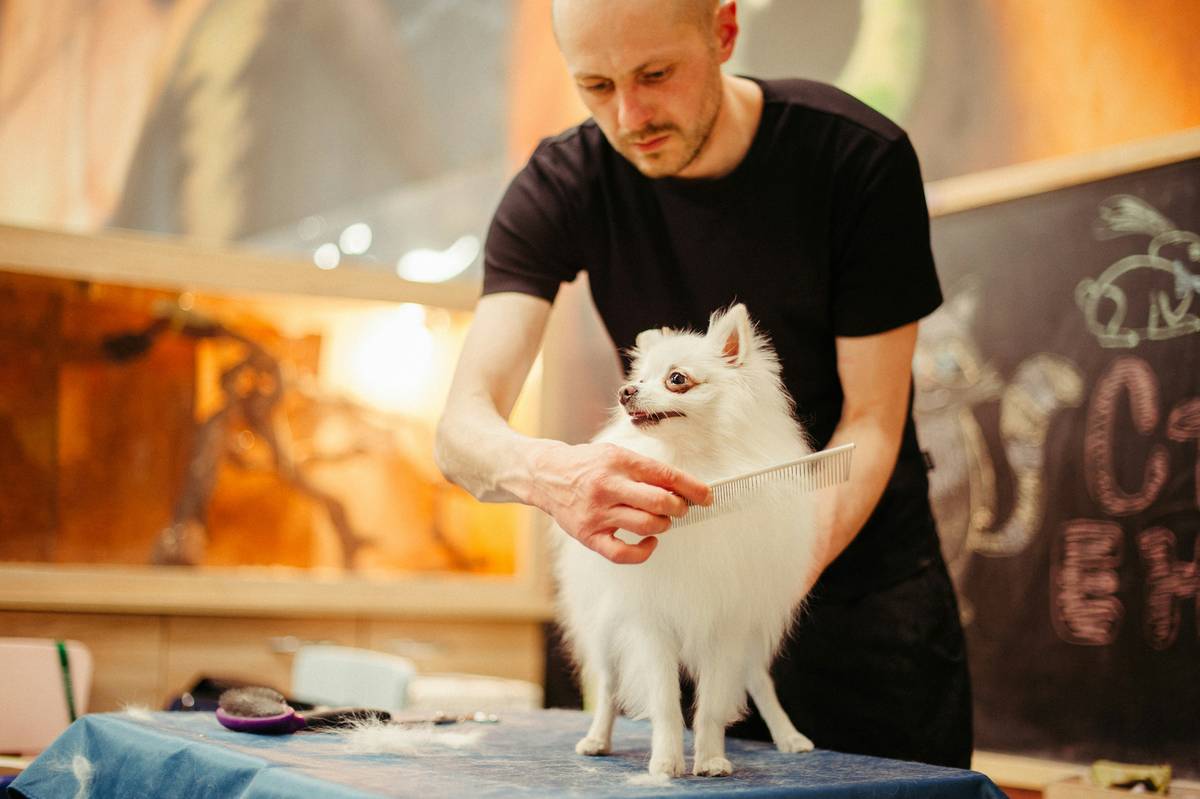
The 3-Pass Technique (Used by Top Salon Pros)
First pass: Light surface sweep to remove loose debris—no pressure. Second pass: Angle the brush slightly and use short, feather-light strokes toward the skin to loosen superficial mats. Third pass: Only after the top layer is smooth, gently work beneath tangles with the base of the bristles—not the tips.
When to Use Detangling Spray (And When Not To)
Sprays help—but only if applied 5 minutes before brushing, never during. Why? Wet tangles tighten as they dry. Apply to dry fur, let it sit, then start your 3-pass routine. Skip silicone-heavy formulas; they coat hair but don’t soften knots at the root.
| Method | Pain Level (Dog) | Effectiveness on Mats | Long-Term Coat Health |
|---|---|---|---|
| Metal Slicker Brush Alone | High | Moderate (rips vs. untangles) | Poor – causes split ends |
| Bristle Brush + Pre-Spray (3-Pass) | Low | High – loosens from root up | Excellent – seals cuticle, boosts shine |
| Fingers + Scissors | Variable | Low – misses hidden tangles | Risky – uneven cuts lead to future mats |
The Industry Secret: Mats Are a Symptom, Not the Problem
Here’s what few groomers admit publicly: chronic matting usually signals poor brushing frequency—not bad products. A weekly 5-minute session with a quality bristle brush prevents 90% of tangles before they form. But most owners wait until the fur looks “bad,” by which point the mat has fused to the undercoat like Velcro.
And—this is critical—never bathe a matted dog. Water swells the fibers, locking knots tighter. Dry-detangle first. Always.
Frequently Asked Questions
Can I use a human bristle brush on my dog?
No. Human brushes lack the pin depth and bristle resilience needed for pet coats—they collapse under resistance and won’t reach the undercoat.
How often should I brush with a bristle brush?
Daily for long/double-coated breeds. Every 2–3 days for short-haired dogs. Consistency beats intensity every time.
Do bristle brushes work on severe mats?
Not alone. For rock-hard mats, combine with a stainless steel comb after initial surface smoothing—but if skin is visible or red, stop and consult a pro.