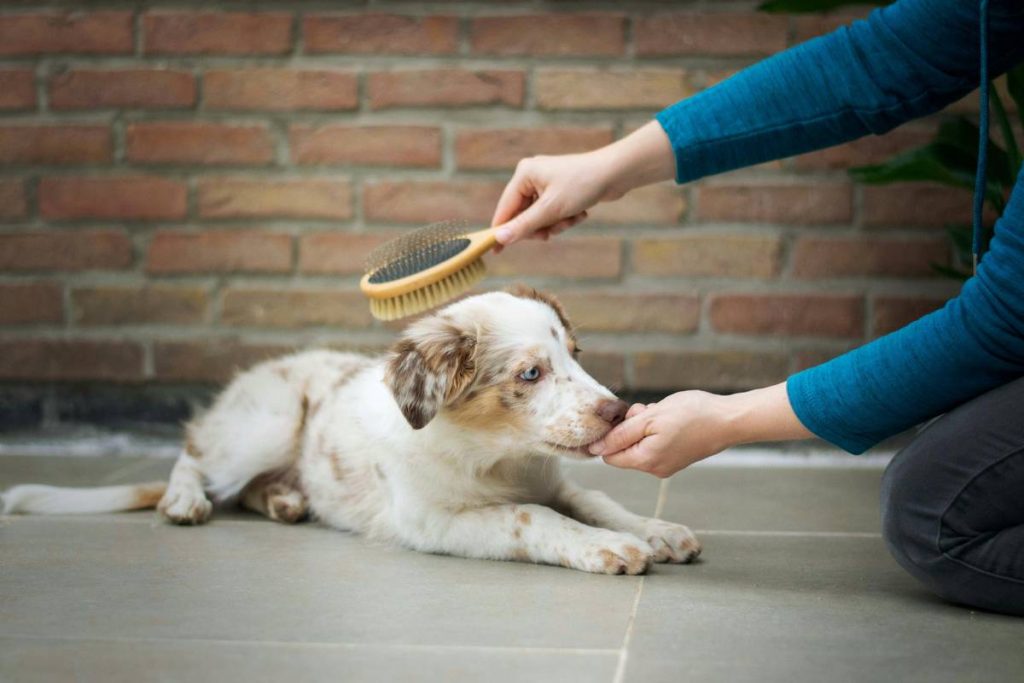
Most pet owners grab a bristle brush the moment tangles appear—thinking they’re helping. But here’s the problem: using the wrong type, pressure, or technique can rip live hair, inflame skin, and worsen matting. And it gets worse—the damage often stays hidden until weeks later. The solution? Precision over force. Understanding how bristles interact with coat layers makes all the difference.
Why Standard Detangling With Bristle Brushes Fails
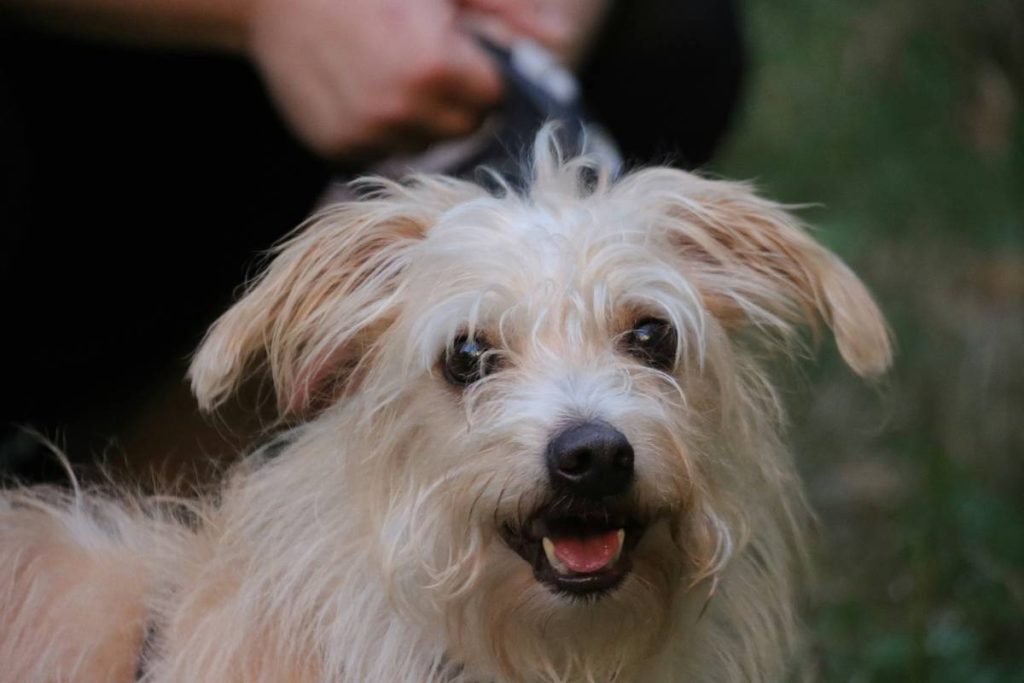
People assume “brushing = progress.” Not true. A stiff-bristled tool on a double-coated breed like a Husky? Disaster. You’re not detangling—you’re compacting undercoat into impenetrable mats against the skin. And fine-toothed bristle brushes on curly coats (think Poodles or Shih Tzus)? They snag, snap, and cause micro-tears at the follicle.
The core issue isn’t the brush—it’s misalignment between tool design and coat architecture. Most grooming guides skip this entirely. They tell you to “brush daily” without specifying which bristle density works for which layer. That’s an error avoid tip worth its weight in gold: match brush stiffness to undercoat thickness, not just topcoat length.
error avoid tip: Your Step-by-Step Bristle Brush Protocol
Know Your Dog’s Coat Type First
Single-coated breeds (Maltese, Yorkie) need soft, flexible bristles. Double-coated dogs (Golden Retriever, German Shepherd) require firmer—but never metal-tipped—bristles that glide over guard hairs without digging into dense undercoats. Ignore this, and you’re gambling with hot spots.
Prep Before You Brush
Never brush dry. Lightly mist fur with a detangling spray or diluted conditioner. This reduces static, adds slip, and prevents breakage. Work in small sections—no more than 2 inches wide—from tail to head. Start at the ends, then move upward toward the root. Rushing guarantees missed tangles that tighten later.
Pressure Matters More Than You Think
Use just enough pressure to feel contact—not resistance. If your dog flinches, you’re pressing too hard. Better yet: use the “paper test.” Slide a sheet between brush and skin while brushing. If it catches or tears, ease up immediately.
| Coat Type | Ideal Bristle Brush | Detangling Frequency | Common Error to Avoid |
|---|---|---|---|
| Single, silky (e.g., Maltese) | Soft natural boar bristles, cushioned base | Daily | Using plastic bristles—they generate static and split ends |
| Double, thick (e.g., Husky) | Mixed boar/nylon bristles, medium stiffness | 2–3x/week + seasonal blowouts | Brushing during heavy shed—use an undercoat rake first |
| Curly/wiry (e.g., Poodle) | Flexible rubber-pin base with rounded tips | Every other day | Skipping conditioner—dry brushing shreds curls |
The Industry Secret Groomers Won’t Admit
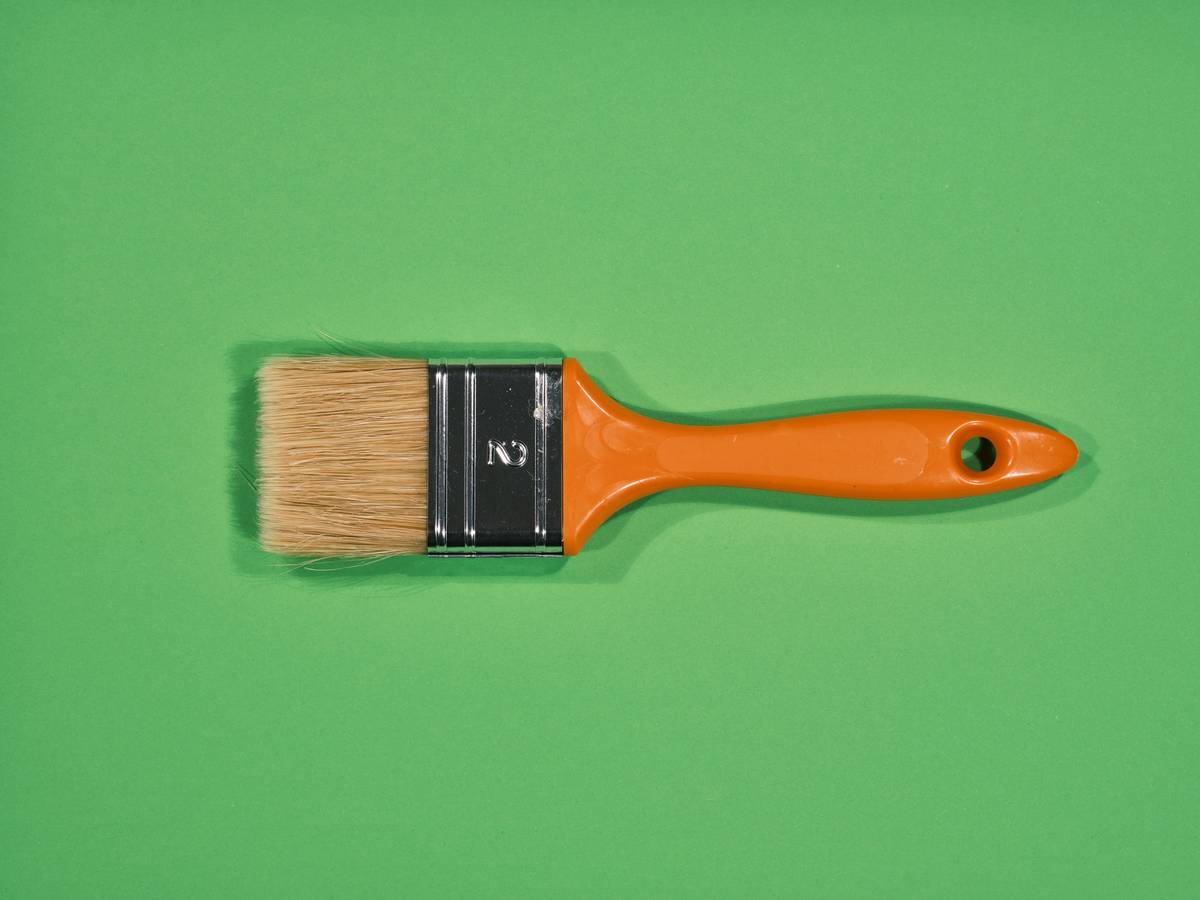
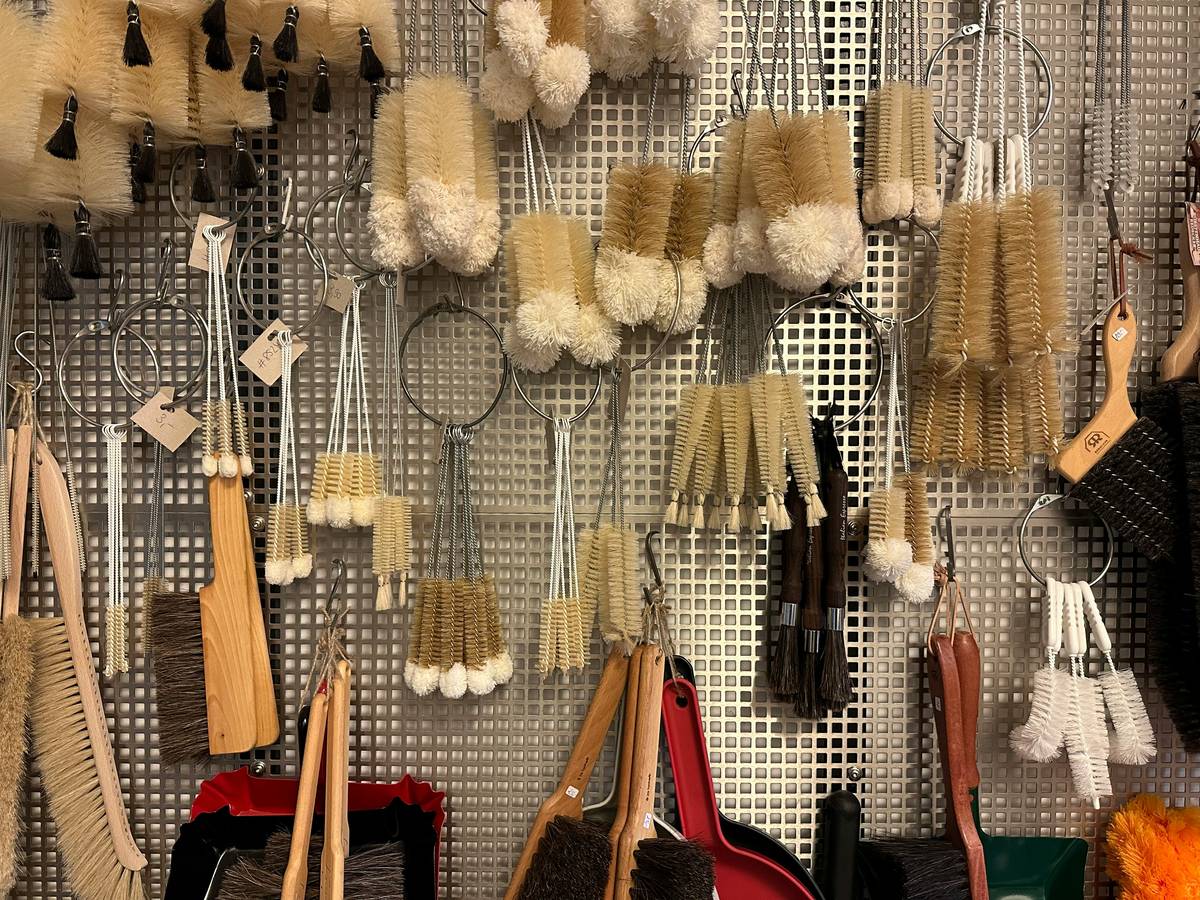
Top mobile groomers quietly rotate *three* different bristle brushes per session—not one. Why? Because no single brush handles base, mid-shaft, and tip zones optimally. The first pass uses ultra-soft bristles just to lift surface debris. The second targets mid-length tangles with slight flex. The third polishes with denser bristles to align guard hairs.
Here’s the reality: home groomers buy one “all-purpose” brush and expect magic. But coat behavior changes with humidity, diet, and season. A summer coat on a Lab needs 40% softer bristles than its winter version. Track your dog’s shedding cycles—and swap brushes accordingly. That’s the unspoken rule behind salon-perfect finishes.
Frequently Asked Questions
Can a bristle brush remove mats?
No. Bristle brushes smooth and distribute oils—they don’t cut or separate knots. Attempting this risks pulling live hair. Use a mat splitter or dematting comb first.
How often should I replace my dog’s bristle brush?
Every 6–12 months. Worn bristles lose tension, bend incorrectly, and harbor bacteria. If tips are frayed or bristles splay outward, retire it.
Are natural boar bristle brushes better than synthetic?
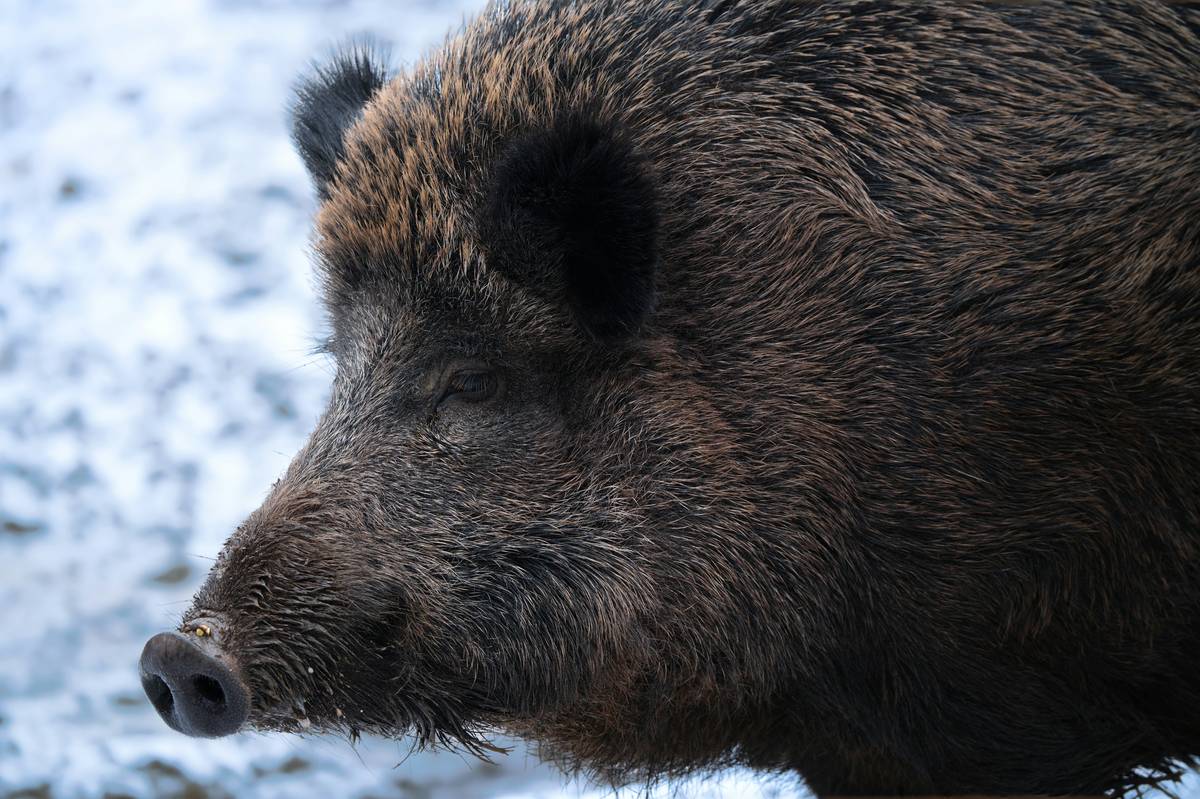
For most pets, yes—boar bristles mimic natural hair texture, reduce static, and condition as they brush. But severely matted dogs may need nylon-reinforced bases temporarily for control.