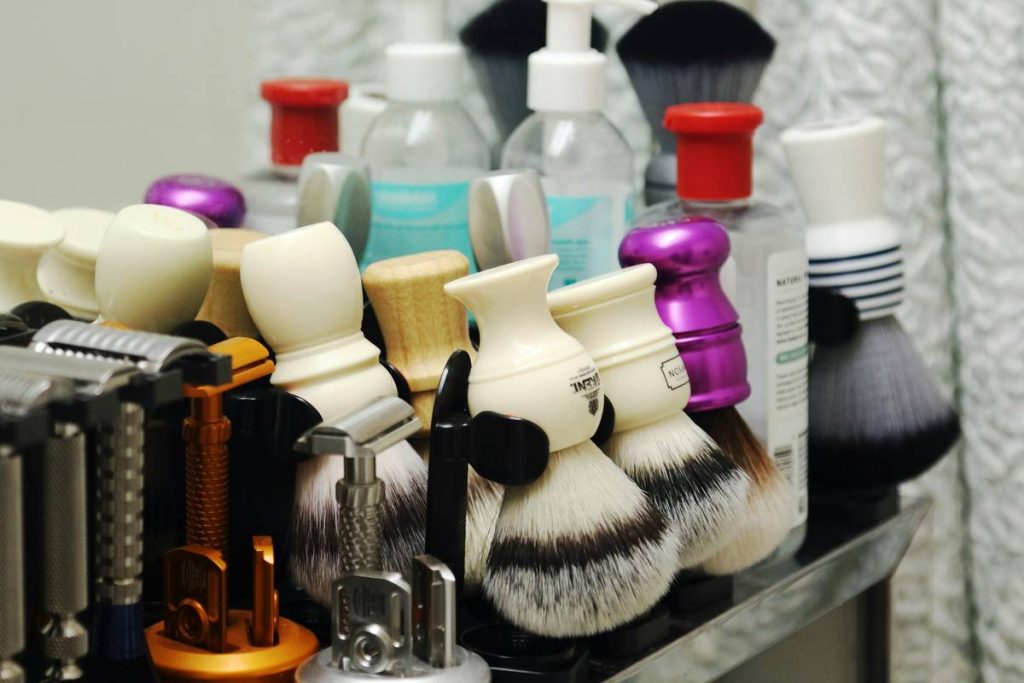
Your dog sheds like it’s a full-time job. You’ve tried slicker brushes, rubber mitts, even those fancy deshedding tools. Yet fur still clings to your couch, your clothes, your sanity. The real issue? Most brushes only skim the surface—they don’t reach deep enough to dislodge undercoat or distribute natural oils from root to tip. Enter the extended bristle comb: a precision tool most groomers won’t tell you about because it cuts their billable time in half.
Why Standard Grooming Tools Fail on Thick or Double Coats
Think of a standard bristle brush as a broom—it sweeps top debris but leaves dust bunnies underneath. Dogs with dense undercoats (think Huskies, Golden Retrievers, or even fluffy Pomeranians) need penetration. And traditional nylon or boar-bristle brushes often snap, bend, or flatten against resistance. Worse, they cause micro-tears in the hair shaft, leading to breakage and dullness. You’re not just brushing—you’re unintentionally damaging the coat you’re trying to protect.
The truth? Grooming isn’t about force. It’s about finesse—and geometry. Most brushes have bristles cut at uniform lengths. They can’t adapt to varying coat depths across the body. That’s where the magic of extension comes in.
How to Use an Extended Bristle Comb Like a Pro Groomer
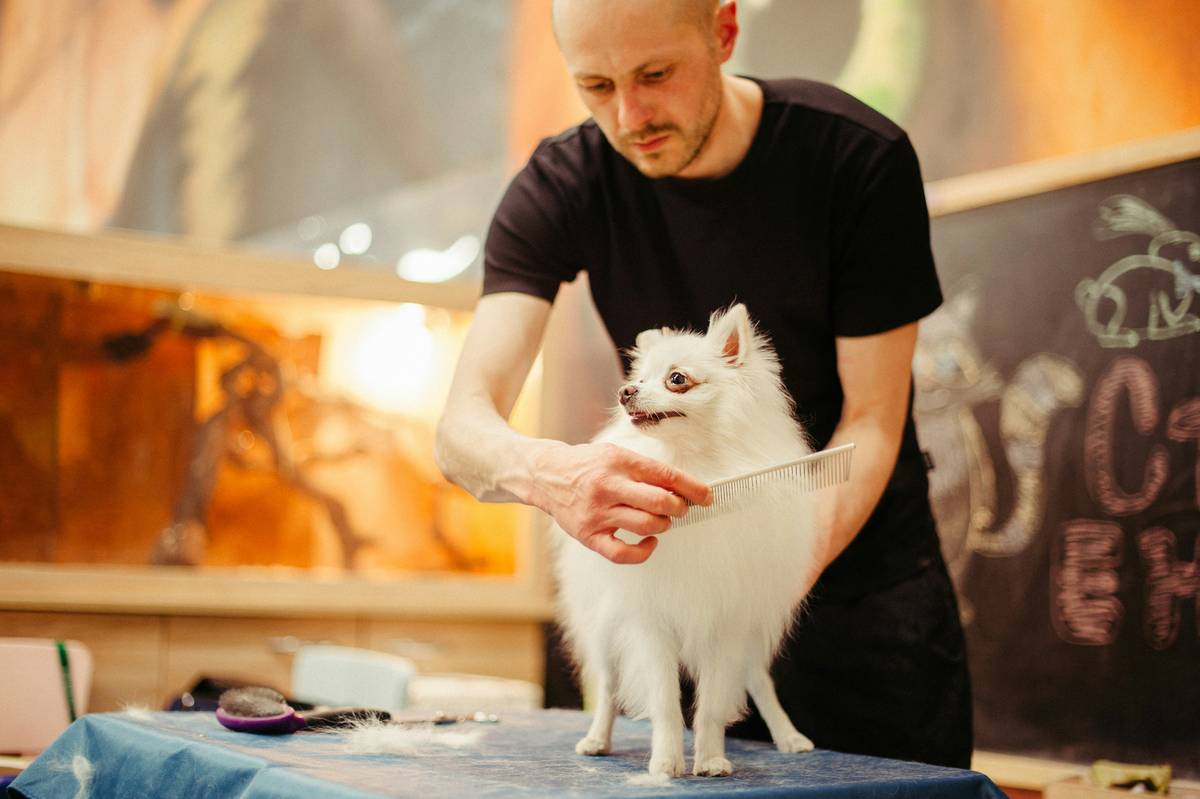
Forget “brushing” as a one-size-fits-all motion. With an extended bristle comb, technique is everything. Start at the tail, work toward the head. Use short, feather-light strokes. Let the comb do the work—no yanking.
Choosing the Right Bristle Configuration
Not all extended combs are equal. Look for dual-length bristles: shorter ones to polish the topcoat, longer flexible pins that dive into the undercoat without scratching skin. Metal pins? Avoid them—they conduct static and feel cold. Opt for heat-treated nylon or plant-based polymers.
Grooming Frequency by Coat Type
A Shih Tzu needs different care than a Newfoundland. Weekly maintenance prevents mats—but during shedding season, you’ll need to comb every 48 hours. Miss that window, and tangles become time bombs.
| Tool Type | Reach Depth | Best For | Risk of Skin Irritation |
|---|---|---|---|
| Standard Bristle Brush | Top 1–2 mm | Short, single coats (Beagles, Boxers) | Low |
| Slicker Brush | 3–5 mm | Removing surface mats | Moderate (if pressed too hard) |
| Extended Bristle Comb | 6–10 mm (with flexible give) | Double coats, thick undercoats, oil distribution | Very Low (when used correctly) |
| Deshedding Blade | Surface only | Blow-out seasonal shedding | High (not for daily use) |
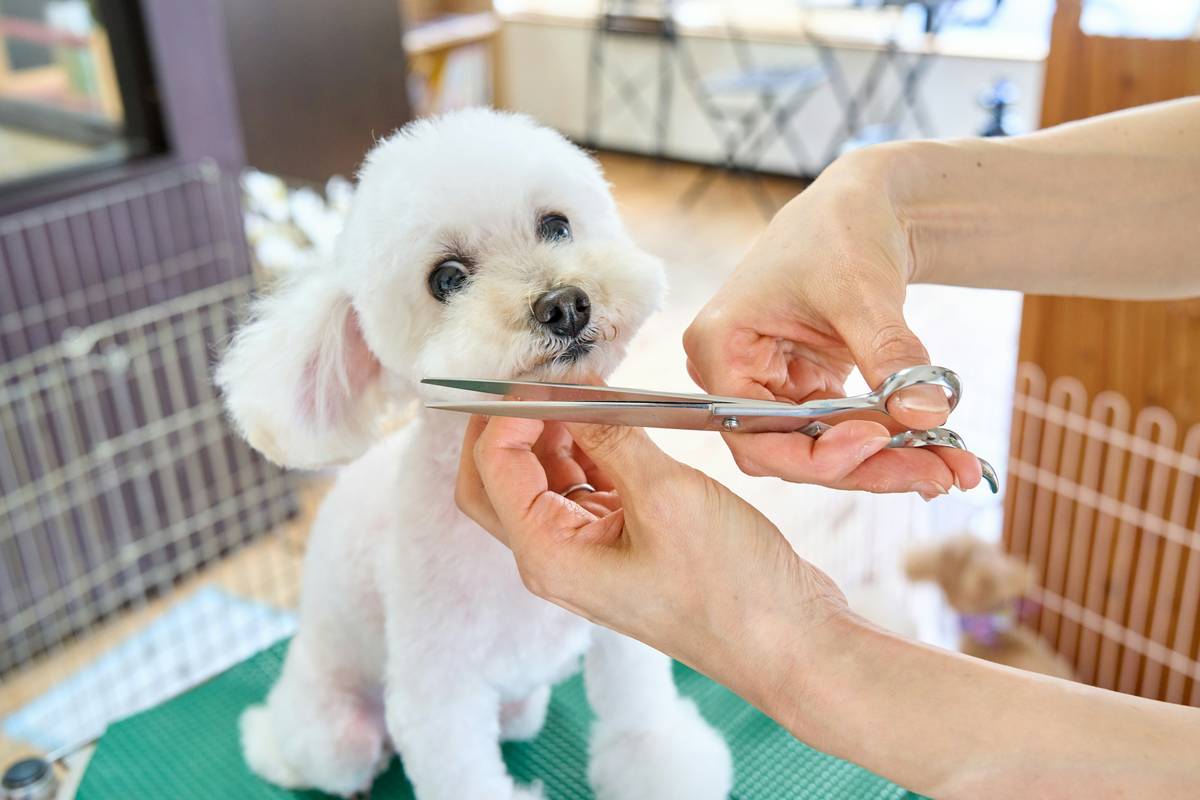
The Industry Secret: How Professional Groomers Extend Coat Health Between Appointments
Here’s what salons won’t advertise: they prep coats weeks in advance using extended bristle combs—not during your appointment. Why? Because consistent micro-grooming reduces blowout time by 40%. But there’s a hidden benefit most overlook: these combs stimulate sebaceous glands along the spine and flanks. That triggers natural oil production, which travels down each hair strand, creating a water-resistant, UV-protective barrier. You’re not just removing dead fur—you’re activating your dog’s built-in coat conditioner. And yes, it works even on senior dogs with dry skin. The secret? Angle the comb at 15 degrees—never perpendicular.
Frequently Asked Questions
Is an extended bristle comb safe for puppies?
Yes—if you choose one with ultra-soft, rounded tips. Start sessions at 2 minutes, post-play when they’re calm. Never use on open sores or rashes.
How often should I clean my extended bristle comb?
After every use. Hair clogs reduce effectiveness fast. Soak in warm water + pet-safe shampoo, then air-dry bristles down to prevent warping.
Can it replace a slicker brush entirely?
Almost—but not quite. Use the slicker only for spot-mat removal. The extended bristle comb handles 90% of maintenance. Think of it as your daily driver; the slicker’s your tow truck.